
Technologies Used in PPF Production
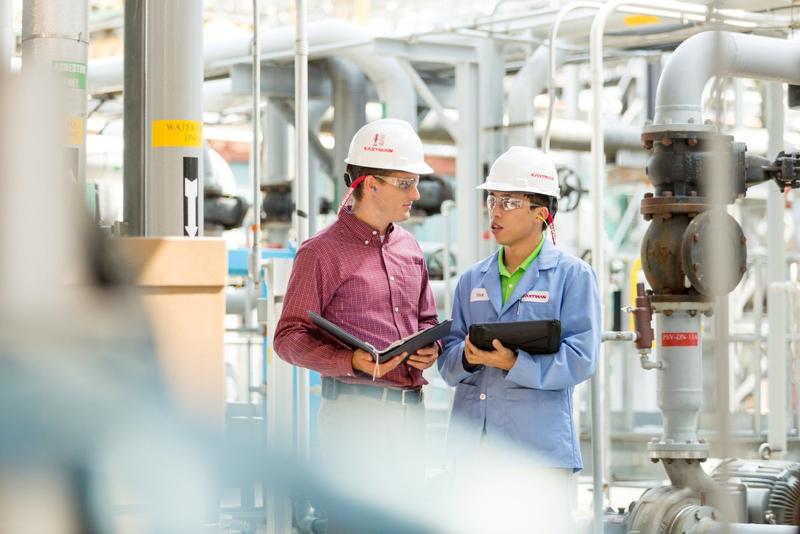
The production of paint protection film (PPF) involves a combination of advanced technologies and specialized materials to create a durable, protective, and aesthetically pleasing layer for safeguarding vehicle surfaces. Here’s an overview of the key technologies employed in PPF manufacturing:
1. Thermoplastic Urethane (TPU) Film
At the heart of PPF lies a layer of thermoplastic urethane (TPU) film. TPU is a versatile polymer known for its exceptional strength, flexibility, and resistance to chemicals and abrasion. It provides the foundation for PPF’s protective capabilities.
2. Self-Healing Technology
Many PPF variants incorporate self-healing technology, enabling the film to repair minor scratches and scuffs automatically. This remarkable feature is achieved by incorporating special additives into the TPU matrix. These additives, when exposed to heat or UV light, undergo a molecular reconfiguration that fills in and smooths out superficial imperfections.
3. Hydrophobic Coatings
To enhance water repellency and prevent dirt and grime buildup, some PPF formulations incorporate hydrophobic coatings. These coatings impart a low surface energy, causing water droplets to bead up and roll off easily, making cleaning and maintenance effortless.
4. UV Inhibitors
PPF shields vehicle paint from the harmful effects of ultraviolet (UV) radiation, a major contributor to fading and discoloration. UV inhibitors are incorporated into the film to absorb and dissipate UV energy, preserving the paint’s vibrancy and preventing premature aging.
5. Precision Cutting and Layering
Advanced cutting technologies, such as computer-controlled plotters and lasers, are employed to precisely cut and shape PPF patterns for specific vehicle models. This ensures a tailored fit and eliminates the need for excessive trimming or adjustments during installation.
6. Quality Control and Testing
To ensure consistent quality and performance, PPF manufacturers implement rigorous quality control measures throughout the production process. This includes extensive testing for tensile strength, scratch resistance, chemical resistance, and UV protection to guarantee the film meets the highest standards.
7. Environmental Considerations
PPF manufacturers are increasingly adopting sustainable practices to minimize their environmental impact. This includes using eco-friendly solvents, reducing waste generation, and employing energy-efficient production processes.
8. Continuous Innovation and Development
The PPF industry is constantly evolving with ongoing research and development efforts focused on enhancing the film’s properties and expanding its applications. New technologies, such as nano-coatings and advanced self-healing mechanisms, are being explored to further improve PPF’s protective capabilities and aesthetic appeal.
In conclusion, the production of PPF involves a sophisticated blend of technologies and materials, each contributing to the film’s exceptional protective qualities, durability, and self-healing capabilities. As the demand for vehicle protection continues to grow, PPF manufacturers are continuously innovating and refining their production processes to deliver the best possible solutions for safeguarding the beauty and longevity of vehicles.

Eastman Chemical’s Licensed Manufacturing Technologies for PPF
Eastman Chemical Company, a global leader in specialty chemical manufacturing, offers a wide range of innovative technologies for the production of high-performance paint protection films (PPF). These technologies, licensed by Eastman Chemical, enable PPF manufacturers to produce high-quality, high-performance films that meet the diverse needs of the automotive and consumer industries.
Some of Eastman Chemical’s key technologies in PPF production include
1. Eastman Tritan™ Technology
Eastman Tritan™ is a thermoplastic copolyester polymer specifically designed for PPF applications. It is known for its exceptional strength, clarity, flexibility, and chemical resistance. PPF made with Eastman Tritan™ protects vehicle paint from a wide range of damage, including rocks, bugs, scratches, and harsh chemicals.
2. Eastman Saflex™ Technology
Eastman Saflex™ is a thermoplastic polyurethane (TPU) known for its exceptional strength and flexibility. PPF made with Eastman Saflex™ protects vehicle paint from more severe damage, such as impacts and collisions. It is also resistant to temperature extremes and harsh weather conditions.
3. Eastman Dymar™ Technology
Eastman Dymar™ is a pressure-sensitive adhesive used to bond PPF to the vehicle’s surface. This adhesive is known for its high bond strength, durability, and easy removability. PPF made with Eastman Dymar™ is easy to install and remove and adheres securely without leaving any marks on the vehicle’s paint.
4. Eastman Energon™ Technology
Eastman Energon™ is an additive added to PPF films to increase their scratch and abrasion resistance. This technology is specifically designed to protect PPF from minor damage such as fingernail scratches and surface scuffs.
5. Eastman Crystal Clear™ Technology
Eastman Crystal Clear™ is a clarifying technology added to PPF films to enhance their clarity and transparency. This technology allows PPF to protect the vehicle’s paint without causing any noticeable change in the vehicle’s appearance.
Benefits of Using Eastman Chemical Technologies in PPF Production:
- Superior Performance: PPF made with Eastman Chemical technologies protects vehicle paint from a wide range of damage, including rocks, bugs, scratches, harsh chemicals, impacts, and collisions.
- Durability: PPF made with Eastman Chemical technologies is resistant to temperature extremes, harsh weather conditions, and everyday wear and tear.
- Easy Installation: PPF made with Eastman Chemical technologies is easy to install and remove and adheres securely without leaving any marks on the vehicle’s paint.
- Clear Appearance: PPF made with Eastman Chemical technologies is clear and colorless and protects the vehicle’s paint without causing any noticeable change in the vehicle’s appearance.
Eastman Chemical is committed to providing the industry with the most innovative and high-quality PPF technologies. By using Eastman Chemical technologies, PPF manufacturers can produce high-performance films that help protect vehicles and preserve their beauty for years to come.
Companies Utilizing Eastman Chemical’s Licensed Technologies in PPF Production
Eastman Chemical, a global leader in specialty chemical manufacturing, licenses its innovative paint protection film (PPF) technologies to a wide range of manufacturers worldwide. These companies leverage Eastman Chemical’s expertise to produce high-performance PPF films that safeguard vehicles from various damages and preserve their pristine appearance.
Here’s a glimpse into some notable companies that utilize Eastman Chemical’s licensed PPF technologies:
1. 3M™
3M, a renowned multinational conglomerate, employs Eastman Chemical’s PPF technologies under its renowned Scotchgard™ brand. Scotchgard™ PPF films, powered by Eastman’s innovations, offer exceptional protection against scratches, chips, and environmental damage, keeping vehicles looking their best.

2. SunTek™
SunTek, a leading manufacturer of window films and PPF, utilizes Eastman Chemical’s technologies to produce its Ultra line of PPF films. Ultra PPF films, incorporating Eastman’s advancements, provide superior protection against scratches, fading, and UV damage, ensuring long-lasting vehicle beauty.
3. LLumar™
LLumar, a global manufacturer of automotive window films and PPF, employs Eastman Chemical’s technologies in its Platinum line of PPF films. Platinum PPF films, leveraging Eastman’s innovations, offer exceptional protection against scratches, chips, and environmental damage, safeguarding vehicles against the elements.

4. Xpel™
Xpel, a leading provider of PPF and window films, utilizes Eastman Chemical’s technologies in its Ultimate line of PPF films. Ultimate PPF films, incorporating Eastman’s advancements, provide superior protection against scratches, fading, and UV damage, ensuring vehicles retain their showroom shine.

5. Uniglobe™
Uniglobe PPF, a japanese manufacturer of automotive window films and PPF, utilizes Eastman Chemical’s technologies in its Quatect Nano Pluse™ line of PPF films. Quatect Nano Pluse™ PPF films, powered by Eastman’s innovations, offer exceptional protection against scratches, chips, and environmental damage, safeguarding vehicles’ value and appearance.

6. STEK ™
STEK is a leading manufacturer of paint protection film (PPF) for cars. Their films are known for being hydrophobic and self-healing, which means they repel water and can repair minor scratches on their own Dynolux™ Paint Protection Film This 10 mil thick PPF film uses the latest technology to protect your car from a wide range of hazards. It also comes with a 10-year warranty.
7. Ziebart ™
Ziebart is a well-established company in the automotive aftermarket industry, specializing in vehicle appearance and protection services since 1959.Z-Shield® PPF is a Ziebart product designed to provide comprehensive protection for car’s paint job. It offers a strong shield against scratches, environmental damage, and maintains the car’s aesthetics.
8. BASF ™
BASF offers a Thermoplastic Polyurethane (TPU) Paint Protection Film (PPF) under their RODIM® brand. It’s specifically designed to provide multifaceted and long-lasting protection for car paint in the Asia Pacific region.
Benefits of Utilizing Eastman Chemical’s Licensed Technologies
Companies that incorporate Eastman Chemical’s licensed PPF technologies into their products gain access to several advantages:
- Superior Performance: Eastman Chemical’s technologies enable the production of PPF films with exceptional protection against scratches, chips, fading, and UV damage, ensuring vehicles maintain their pristine appearance for years to come.
- Durability: Eastman Chemical’s technologies result in PPF films that are highly resistant to extreme temperatures, harsh weather conditions, and everyday wear and tear, providing long-lasting protection.
- Easy Installation: Eastman Chemical’s technologies facilitate the production of PPF films that are easy to install and remove, minimizing installation time and ensuring a seamless application process.
- Brand Reputation: By utilizing Eastman Chemical’s well-respected and trusted technologies, companies can enhance their brand reputation and establish themselves as providers of high-quality, reliable PPF solutions.
Conclusion:
Eastman Chemical’s licensed PPF technologies empower manufacturers worldwide to produce high-performance films that safeguard vehicles and preserve their beauty. Companies that leverage Eastman’s innovations gain a competitive edge and establish themselves as leaders in the PPF industry.