
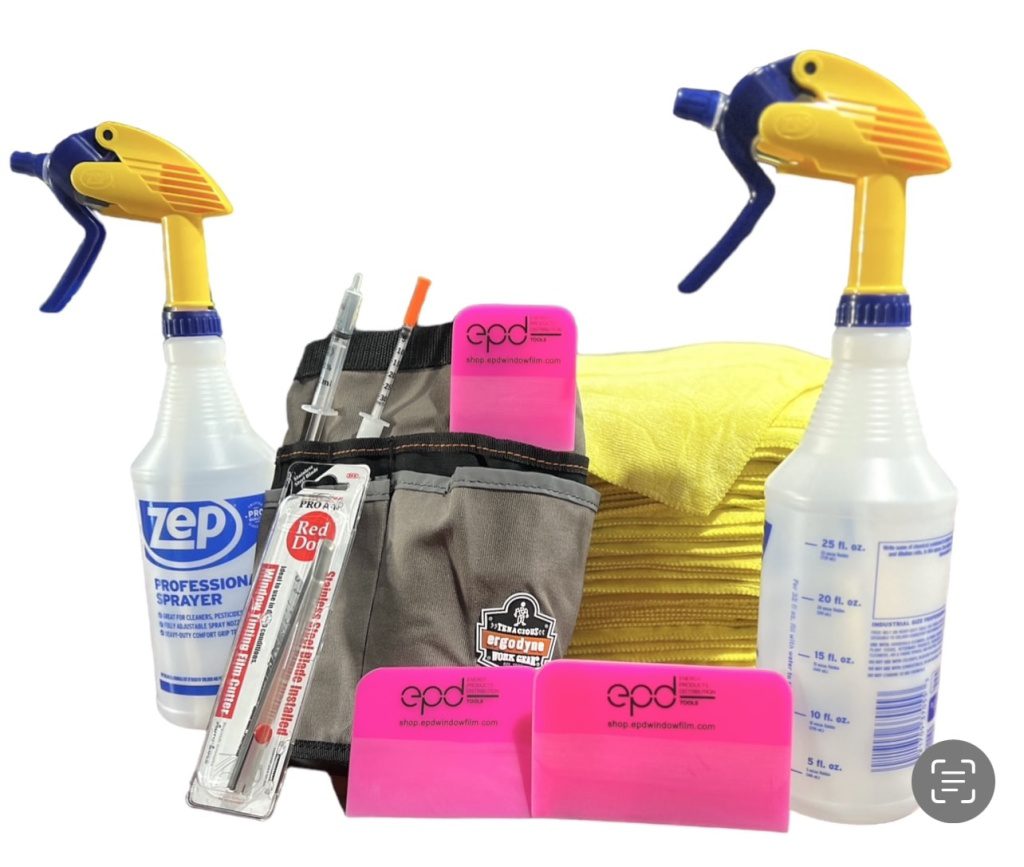
PPF Tools kit
Installing paint protection film (PPF) is a meticulous and crucial process for preserving the long-term beauty and health of your vehicle. Achieving flawless and lasting results in this endeavor necessitates the use of specialized tools and equipment along with adequate knowledge and expertise. In this comprehensive and final article, we delve into a wide range of essential and advanced tools employed in PPF installation and provide key pointers for their selection, proper usage, and maintenance.
Section 1: Essential Tools
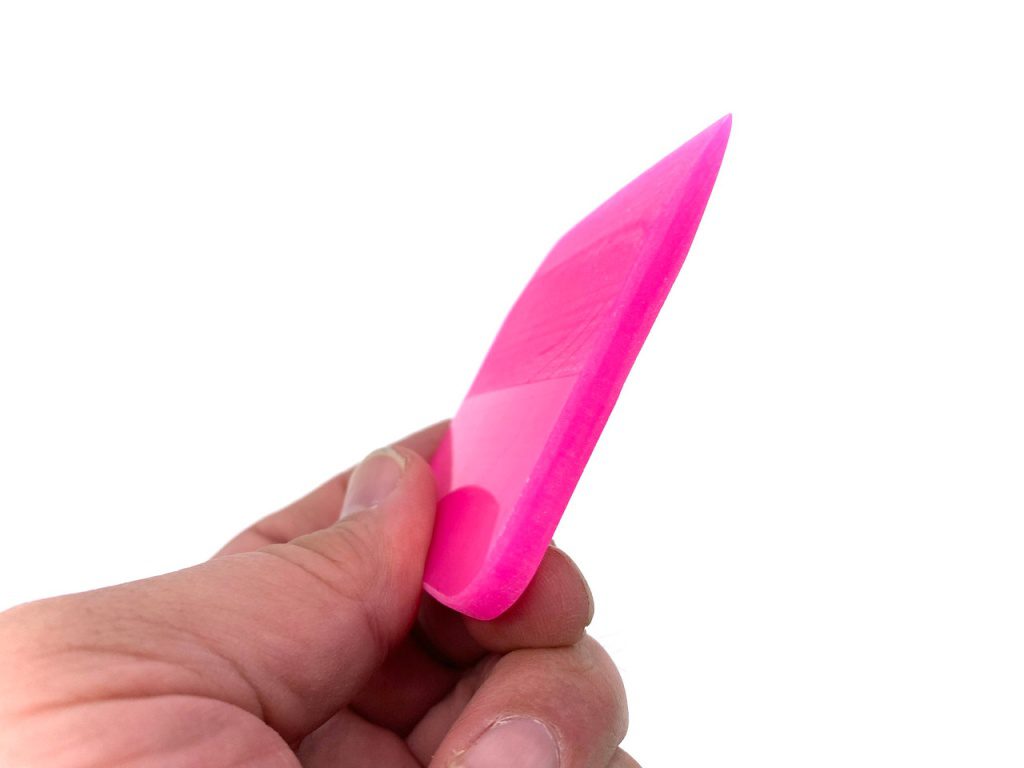
Squeegee
A squeegee is an indispensable tool for smoothing out and applying PPF film to the vehicle’s surface. A diverse assortment of squeegees is available in the market, each with its unique advantages and drawbacks:
- Plastic Squeegee: The most common and cost-effective type, but may cause scratches during installation.
- Felt Squeegee: Softer and gentler, suitable for more delicate surfaces, but may absorb moisture.
- Foam Squeegee: Extremely soft and flexible, ideal for curved surfaces, but may have shorter durability.
- Silicone Squeegee: With high friction, better suited for installing thicker films or rough surfaces.pen_spark
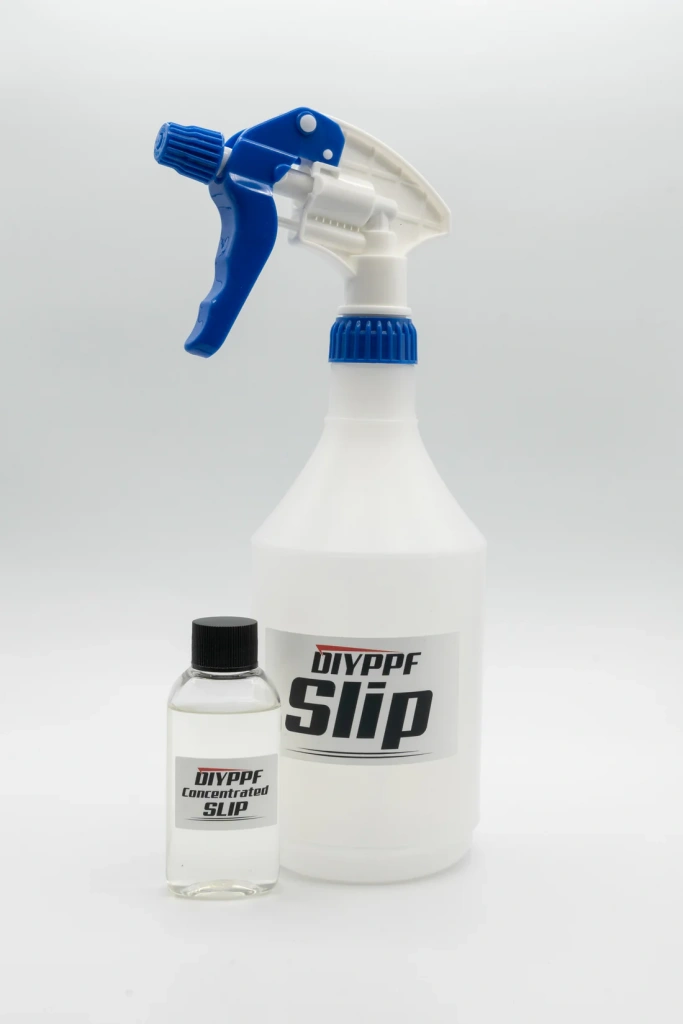
Soapy Water Solution Sprayer
This sprayer is used to moisten the vehicle’s surface and PPF film before installation. Moisture facilitates the film’s smooth application and prevents air bubbles from forming.
Microfiber Towels
Lint-free microfiber towels are ideal for cleaning the vehicle’s surface, drying the PPF film, and eliminating air bubbles. Their softness and lint-free nature prevent surface scratches.
Masking Tape
Masking tape protects areas of the vehicle that should not be covered by PPF film.
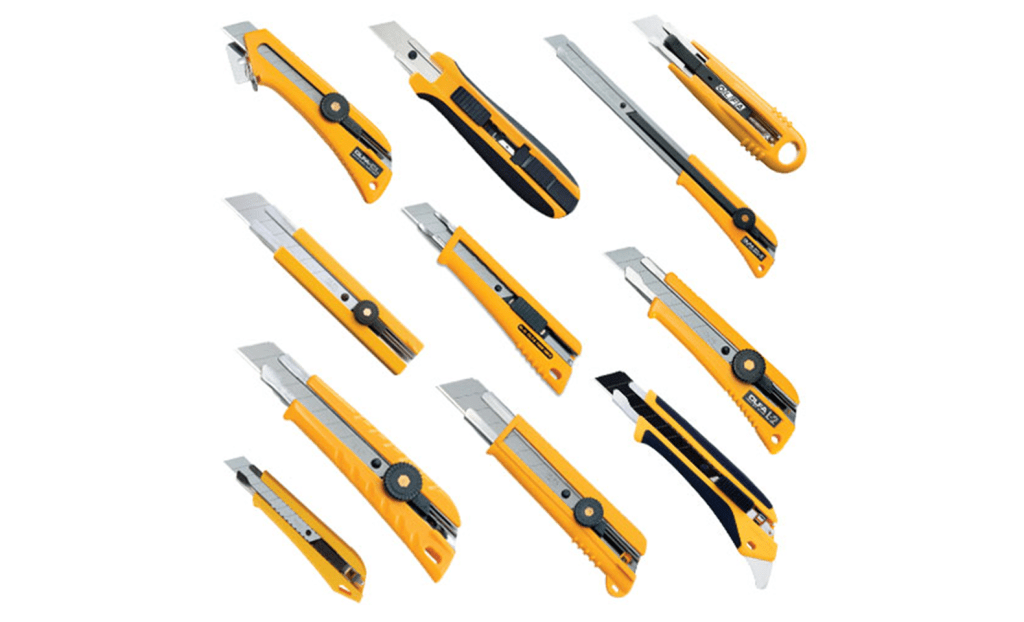
Sharp Scissors or Cutter Knife
Sharp scissors or a knife are used for precise cutting of PPF film to the desired size and shape.
Gloves
Gloves protect your hands from chemicals and scratches while working with PPF film.
Heat Lamp
A heat lamp is used to warm the PPF film, making it more pliable for easier installation. Gentle heat enhances film adhesion and eliminates air bubbles.
Wet Wipes
Alcohol-free wet wipes are used to clean tools and work surfaces from contaminants and residual materials.
Section 2: Advanced Tools
Steam Machine
A steam machine simultaneously heats the vehicle’s surface and PPF film. This promotes better film adhesion, eliminates air bubbles and wrinkles. Steam machines are available in both handheld and automatic types, each with its own set of advantages and disadvantages.
- Handheld Steam Machine: Compact, portable, and cost-effective, but may require more skill and precision to operate.
- Automatic Steam Machine: Offers easier operation and more precise control, but typically more expensive and bulky.
PPF Cutting Plotter
A PPF cutting plotter is a specialized tool for precise cutting of PPF film into intricate shapes and sizes. These plotters utilize computer software and sharp blades to deliver clean and accurate cuts.
- Tabletop PPF Cutting Plotter: Suitable for small to medium-sized workshops and occupies minimal space.
- Roll-Fed PPF Cutting Plotter: Ideal for high-volume and professional applications, capable of automatically cutting large rolls of PPF film.
Drying Machine
A drying machine provides quick and efficient drying of PPF film after installation. This prevents spotting and streaking.

Additional Tools
- Spray Bottle: Used for misting soapy water solution or other cleaning solutions.
- Bucket: Used for holding soapy water solution or other cleaning solutions.
- Paper Towels: Used for wiping surfaces and absorbing excess liquids.
- Marker: Used for marking cut lines or installation locations.
- Work Table: Provides a flat and organized workspace for working with tools and PPF film.
- Work Light: Ensures proper lighting to see details clearly.
Section 3: Key Tips
Tool Selection
Choose appropriate tools based on film type and thickness, experience level, and budget.
Tool Usage and Maintenance
Read manufacturer’s instructions carefully before using any tool. Use tools for their intended purposes. Exercise caution to prevent damage to the vehicle or yourself. Clean and dry tools thoroughly after each use. Store tools safely and dry. Regularly sharpen scissor and knife blades.
Work Environment
Maintain a clean, organized, and dust-free workspace. Use proper lighting to see details clearly.
Safety
Wear appropriate safety gear, such as gloves, goggles, and a mask, when working with tools and chemicals.
Seek Assistance
If unsure about using any tool, seek help from a professional.
Practice and Improvement
Regularly practice to improve your PPF installation skills.